
What is Search Engine Optimization?
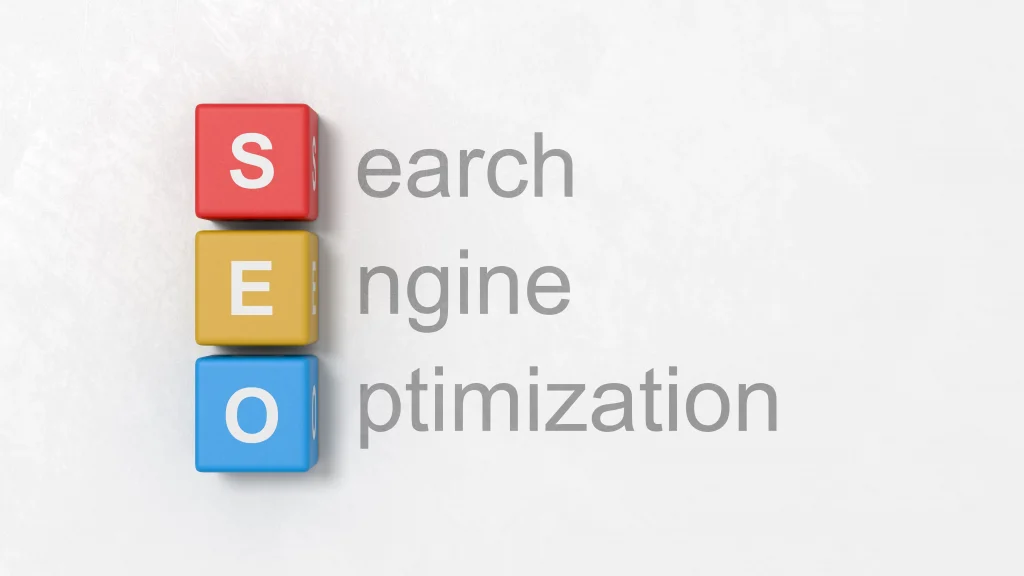
Search Engine Optimization is abbreviated as SEO. It is the process of optimizing your website so it ranks higher in search engine results pages for relevant queries. The goal of SEO is to improve your website’s visibility in search engines and increase organic traffic.
SEO is a critical component of any digital marketing strategy that aims to drive website traffic from organic search results. It involves optimizing your website to meet search engine criteria, such as algorithms, to improve its rankings in search engine results pages. SEO is a continuous process, and your strategy should start with an SEO audit, especially if you already have an existing website.
What are the benefits of doing SEO?
The benefits of SEO are numerous, and when done correctly, it can significantly impact your website’s performance. Here are four ways in which SEO can benefit you as a website owner:
- Allows your website to come up in search results for the most profitable search queries (also called keywords).
- Improves your search engine rankings, meaning your website appears higher in search engine result pages.
- Ensures that the best page from your website appears in each search query’s results.
- Improves the click-through rate of your website.
With more than six billion daily queries on search engines such as Google, SEO is essential to increase your share of free website traffic from search engines. Top-ranked search results receive most of this traffic, and SEO is the only way to reach the top of search results without paying for advertising.
Some areas of actions
You need to follow some best practices to ensure that search engines can index your website. Here are some basics to get you started:
Technical SEO fundamentals
- Improve the URL structure of your website. Simple-to-understand URLs can lead to better crawling of your pages by Googlebot and make it easier for those who want to link to or visit your content.
- Make your website easy to navigate for visitors. Add navigation pages when it makes sense, and refrain from forcing visitors to click through too many tiers to access a particular page.
- Ensure that your website loads quickly, as the speed of a web page can significantly impact user experience and its position in search results. Google considers page speed one of the 200 factors affecting a site’s organic ranking. Slow-loading websites risk losing visitors to competitors and may cause Google to crawl fewer pages. On the other hand, fast-loading pages can increase a site’s crawl rate, allowing more pages to be indexed simultaneously.
On-page SEO optimization
- Create unique and accurate page titles. The title tag is an essential element of SEO and will usually appear in the first line of the search results. If the words in the title tag match the words in the search query, those words are bolded, making it easier for users to recognize that a page is relevant to their search.
- Make use of description meta tags. Google might use them as snippets for your pages in the search results, and words in the snippet are bolded when they match the user’s query.
- Use heading tags correctly. Headings create a hierarchical structure for your content, making it easier for users to navigate your page.
Keyword research and search intent
- Execute research about what keywords are being used by the audience when making queries online. Through keyword research, you can gather specific search data that can answer essential questions such as what people are searching for, how many people are searching for it, and in what format they prefer the information.
Content quality and user value
- Provide users with quality content and services. Compelling and valuable content will influence your website more than any other SEO factor. Satisfied users will likely want to direct other users to it through blog posts, social media, email, forums, etc.
Linking best practices
- Ensure your anchor texts are written appropriately. Anchor text, i.e., the clickable text that users see as a link, is used by Google to judge what the destination page is about. It is an important SEO factor.
Image optimisation
- Optimized images can help improve web page rankings and increase traffic from image searches. Make use of alt text description to the images and use the latest file format called WebP.
Conclusion
These recommendations are just a tiny scratch on the tip of the iceberg regarding SEO measures to optimize your website.
Remember that all SEO efforts aim to get more exposure and traffic for your website and the content you deploy there. Look for ways that search engine traffic can help your business and your website.
Don’t just chase the latest SEO buzzwords or jump every time Google recommends that could improve your search rankings while hurting your overall business.
You can access a vast, full-Monty coverage of SEO on my website by clicking this link.